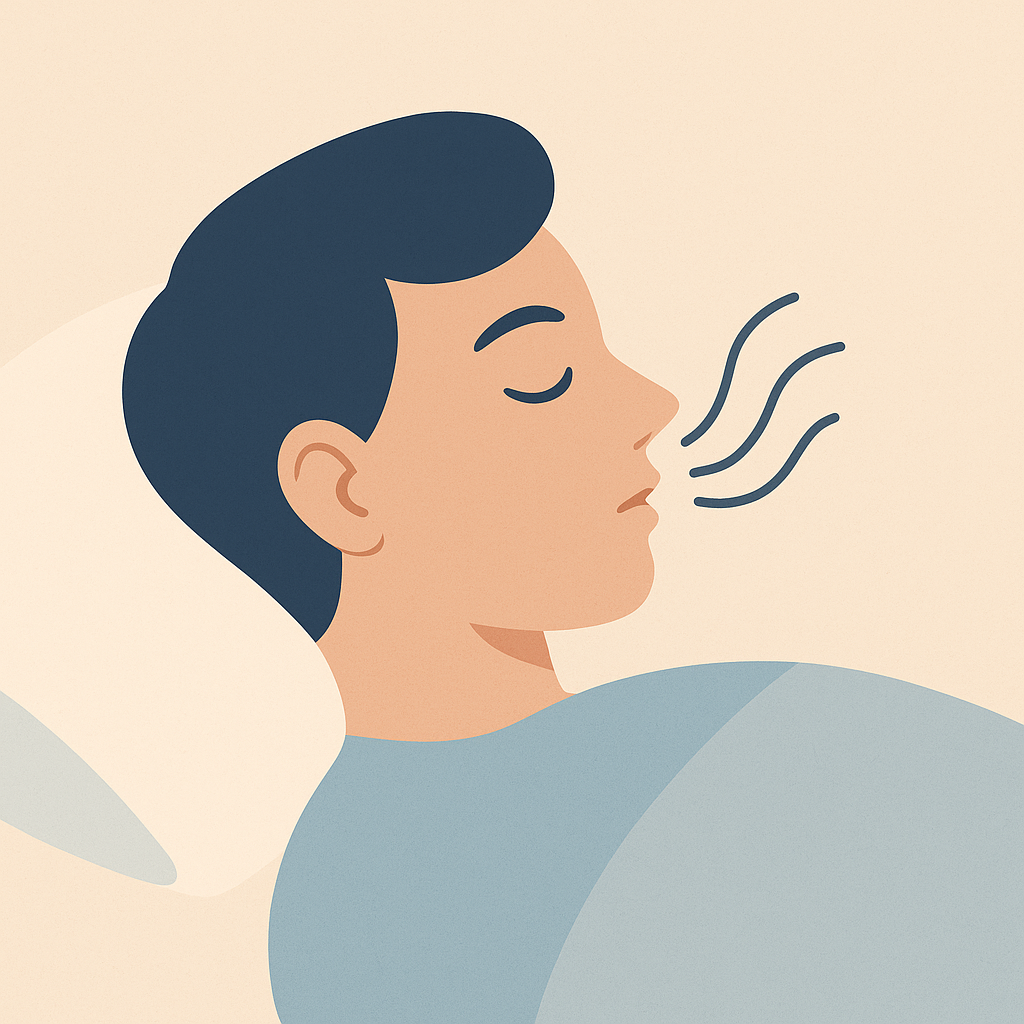
- Snoring: Causes, Fixes & When It Signals Sleep Apnea (2025 Hub)Snoring is extremely common — but it’s not always harmless.
For many people, snoring is the first warning sign of airway obstruction, which can lead to sleep apnea, fatigue, and long-term health problems.This hub explains why snoring happens, how to reduce it quickly, and the red flags that mean you should take snoring seriously.Quick Navigation✔ Causes of Snoring
✔ Home Remedies That Work
✔ When Snoring Signals Sleep Apnea
✔ Sleep Positions That Reduce Snoring
✔ Medical Treatment Options
✔ Best Tools to Open the Airway
✔ Related Sleep & CPAP Guides
What Causes Snoring?
Snoring happens when air struggles to pass through the upper airway, causing the throat tissues to vibrate.
Common reasons include:
Nasal congestion (allergies, colds, chronic swelling)
Sleeping on your back
Relaxed throat muscles from aging or sedatives
Being overweight
Deviated septum or narrow nasal passages
Alcohol too close to bedtime
Enlarged tonsils or adenoids
Snoring is not “just noise” — it’s a sign that airflow is restricted.
Download the Snoring Guide (PDF) →
Top Snoring Fixes (Easy, Beginner-Friendly)
1. Improve Nasal AirflowIf the nose is blocked, air is forced through the mouth — the #1 cause of loud snoring.
Try:
Warm saline rinses before bed
Humidifier in the bedroom
Breathe Right® nasal strips
CPAP if sleep apnea is suspected (see hub below)
2. Change Sleeping Position
Sleeping on your back allows the tongue to fall into the throat.
Best positions:
✔ Side sleeping
✔ Slight incline using a wedge pillow
This can reduce snoring immediately.
3. Avoid Alcohol 3 Hours Before Bed
Alcohol relaxes airway muscles too much, making snoring worse.
4. Use a Humidifier or CPAP Heated Hose
Dry air irritates nasal passages and increases nighttime congestion.
A humidifier or heated tubing:
reduces dryness
reduces swelling
improves airflow
5. Maintain a Healthy Weight
Extra tissue around the neck or tongue worsens airway collapse.
Even a small change can dramatically reduce snoring in some people.
When Snoring Is a Warning Sign of Sleep Apnea
Snoring may indicate obstructive sleep apnea (OSA) when combined with:
Gasping or choking sounds
Morning headaches
Unrefreshing sleep
Dry mouth in the morning
Brain fog or poor focus
High blood pressure
Falling asleep easily during the day
If snoring is loud, nightly, or worsening, sleep apnea is very likely.
➜ Learn more: Sleep Apnea Resource Hub
(Insert link to: https://nightlycalm.com/sleep-apnea-resource-hub/
)Snoring Fixes vs. Sleep Apnea Treatments (Comparison Table)
Solution Best For Benefits
Nasal Strips Nose-based snoring Opens nasal passages
Side Sleeping Mild snoring Immediate improvement
Wedge Pillow Back snorers Keeps airway open
Humidifier Dry-air irritation Reduces swelling
CPAP Therapy Sleep apnea Most effective treatment
Oral Appliance Mild–moderate apnea Moves jaw forward
Surgery Structural issues Permanent correction (varies)
Recommended Airway Tools for Snorers
1. Anti-Snoring Nasal StripsHelp open nasal passages for easier breathing.
2. Humidifier or Heated CPAP Hose
Helpful if dry air or congestion triggers snoring.
3. Wedge Pillow
Encourages natural side/incline sleep.
Still Snoring? Your Airway Might Be Blocked.
Snoring can be harmless — or a sign of a much deeper breathing issue. Explore these guides to learn what your body is trying to tell you: