CPAP Dry Nose: Causes & Easy Fixes for Nasal Dryness During CPAP Therapy
NightlyCalm.com is a participant in the Amazon Services LLC Associates Program, an affiliate advertising program designed to provide a means for sites to earn fees by linking to Amazon.com. As an Amazon Associate, I earn from qualifying purchases.
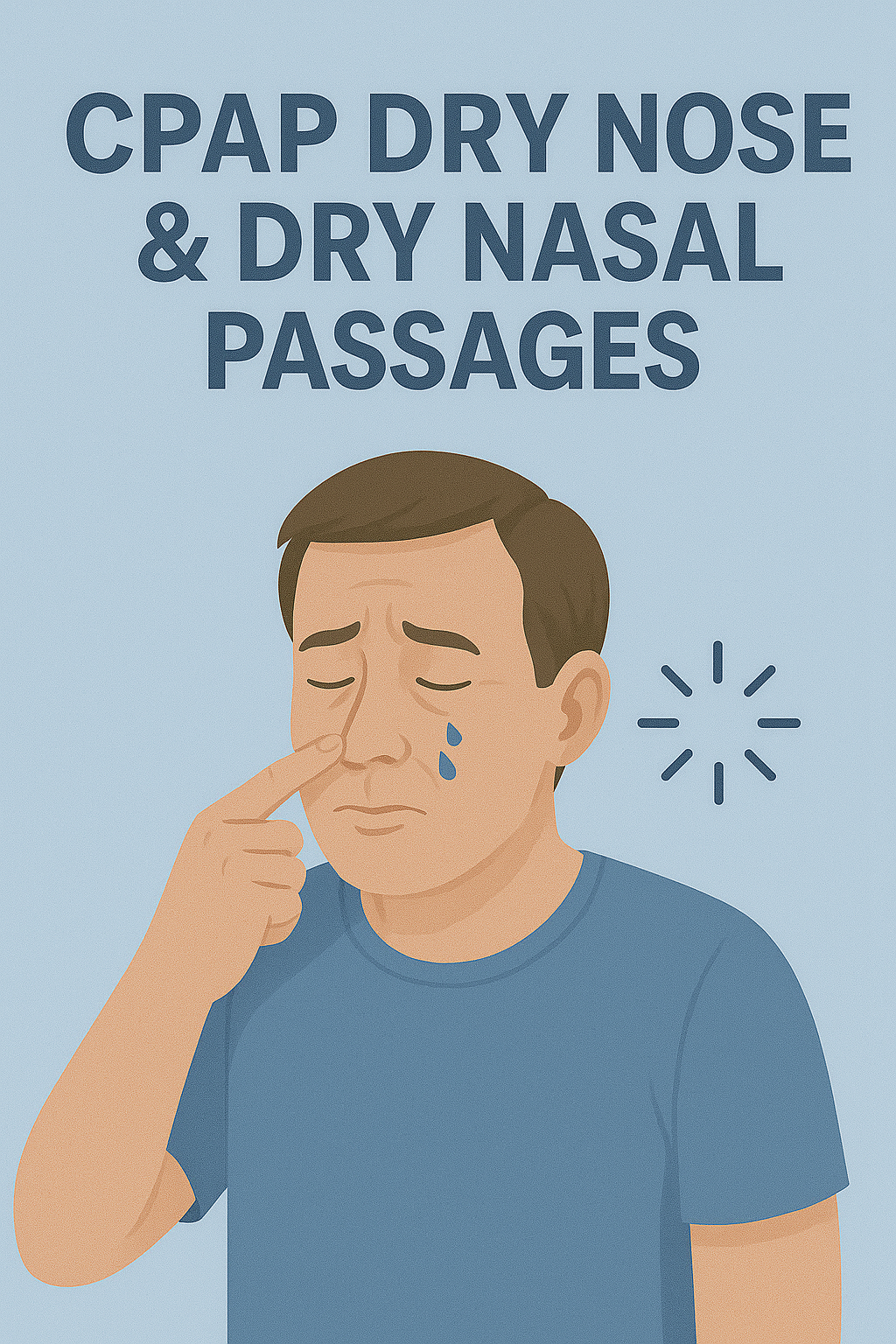
Dry nose is one of the most common CPAP complaints. When pressurized air flows through your mask all night, it can dry out your nasal passages and lead to irritation, crusting, burning, or even nosebleeds.
The good news?
CPAP dry nose is very easy to fix with a few simple adjustments.
This guide explains why CPAP causes nasal dryness — and the best ways to stop it fast.
⭐ Symptoms of CPAP Dry Nose
Common signs include:
Dry, scratchy feeling inside the nose
Burning sensation when breathing in
Nasal crusting
Mild bleeding or blood-tinged mucus
Stuffy or congested nose in the morning
If you’re experiencing any of these, one or more of the fixes below will help.
⭐ 1. Increase Your Humidity Level
Low humidity is the #1 cause of CPAP-related nasal dryness.
Raising your humidifier setting adds moisture back into the air, keeping your nose hydrated and preventing irritation.
Fix: Increase humidity by 1–2 levels and test for improvement.
Related: CPAP Humidifier Tips
⭐ 2. Use a Heated Hose
A heated hose prevents condensation inside the tubing and keeps the air warm and moist all night. This dramatically reduces dryness.
⭐ 3. Apply a CPAP-Safe Nasal Moisturizer
A water-based nasal gel protects the nasal lining and prevents overnight dryness.
This is one of the quickest and most reliable fixes.
⭐ 4. Use Saline Spray Before Bed
Saline spray helps moisturize the nose, reduce crusting, and clear mild congestion.
This is especially helpful in dry climates or during winter months.
Mask leaks can blow air toward your nose or eyes, increasing dryness and irritation.
Fixing leaks also stabilizes humidity levels inside the mask.
Related: How to Stop CPAP Mask Leaks
⭐ 6. Adjust Nasal Pillow Fit (If You Use Them)
If you use a nasal pillow mask, dryness may occur when:
The pillow size is too small
Humidity is set too low
You’re breathing only through the nose (mouth tape or chin strap)
Fix: Try a larger pillow size or increase humidity.
⭐ 7. Increase Room Humidity
If the air in your bedroom is very dry, CPAP humidification alone may not be enough.
Running a small bedside humidifier helps keep your nasal passages comfortable.
⭐ 8. Use Auto-Adjusting Pressure (If Available)
If your CPAP pressure is too high or too low, it can worsen dryness and irritation.
Auto-adjusting machines (APAP) adapt pressure throughout the night and help maintain comfort.
Related: CPAP Pressure Too High or Too Low
⭐ Quick Summary: How to Fix CPAP Dry Nose
Increase humidifier level
Use a heated hose
Apply CPAP-safe nasal gel
Use saline spray before bed
Check and correct mask leaks
Try a larger nasal pillow size
Increase bedroom humidity
Use auto-adjusting pressure if available
⭐ Final Thoughts
Dry nose is frustrating — but it’s one of the easiest CPAP problems to solve.
With the right humidity settings, proper mask fit, and a few comfort accessories, most users can eliminate dryness completely.
For more CPAP troubleshooting tips, explore:
Frequently Asked Questions
Why does CPAP cause a dry nose?
CPAP dry nose usually happens when humidity is too low, the air is too cool, or mask leaks cause moisture to escape. Nasal pillows can also irritate the nostrils if humidity isn’t high enough.
How do I stop nasal dryness with CPAP?
The fastest fix is to increase humidifier levels by 1–2 steps. You can also use a heated hose, nasal gel, or saline spray to keep the nasal passages moist.
Are nasal gels safe to use with CPAP?
Yes, as long as they are water-based and labeled CPAP-safe. Avoid petroleum-based products because they can damage silicone cushions.
Can mask leaks cause a dry nose?
Yes. Leaks redirect airflow and dry out the nasal lining. Fixing leaks or replacing worn cushions often eliminates dryness.
Do heated hoses help with dry nose?
Absolutely. Heated tubing keeps the air warm and prevents it from drying out inside the hose, making breathing more comfortable.
What if nasal pillows make my nose dry?
Try a larger pillow size, increase humidity, or add a CPAP-safe nasal gel. If dryness continues, consider switching to a nasal mask.
Frequently Asked Questions
Why does CPAP cause dry nose?
Dry nose happens when your humidifier is too low, air pressure is strong, or airflow bypasses natural moisture in your nasal passages.
Is dry nose normal for CPAP beginners?
Yes. Many beginners experience dryness during the first few weeks as their body adjusts to pressurized air.
Should I increase humidity to fix dry nose?
Yes. Raising humidity 1–2 levels usually improves dryness quickly.
What if higher humidity causes rainout?
Use heated tubing or a hose cover to prevent condensation while keeping humidity high.
Can nasal gels help with CPAP dryness?
Yes. CPAP-safe moisturizing gels help maintain moisture and soothe irritated tissues.
Why is only one nostril dry?
This happens when the mask sits unevenly or you sleep on one side, restricting airflow on one nostril.
Can pressure settings cause dryness?
Yes. High pressure can dry nasal passages faster. If dryness is severe, talk to your provider about adjusting pressure.