Sleep Apnea Treatment Options Explained (Without Hype)


Introduction
Receiving a sleep apnea diagnosis often comes with a flood of information — and confusion. CPAP is usually presented as the primary treatment, but it is rarely the only option people hear about. Oral appliances, lifestyle changes, positional therapy, and newer surgical approaches may all come up, sometimes without much explanation.
Thank you for reading this post, don't forget to subscribe!This can make it hard to understand what each treatment actually does, who it helps, and how decisions are usually made. Some options are presented as easy alternatives, while others are framed as last resorts, even when the reality is more nuanced.
This guide explains the main sleep apnea treatment options in a clear, neutral way. The goal is not to promote one approach over another, but to help you understand how each option fits into the broader treatment landscape.
Why There Is No Single “Best” Treatment
Sleep apnea is not the same for everyone. Severity, airway anatomy, body position during sleep, weight, nasal structure, and tolerance for equipment all influence which treatments are appropriate.
Because of this variability, treatment often involves matching the right tool to the right situation, rather than searching for a universal solution.
Most treatment decisions are guided by:
-
Type and severity of sleep apnea
-
Results of sleep testing
-
Daytime symptoms
-
Ability to tolerate specific therapies
-
Overall health considerations
CPAP Therapy
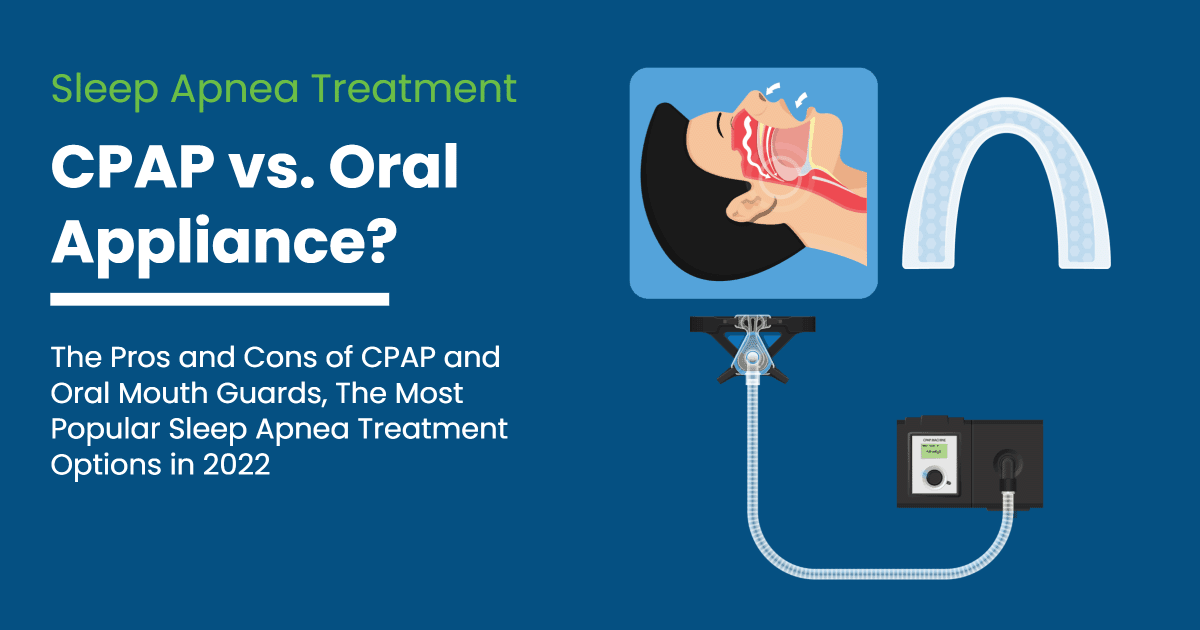
CPAP (continuous positive airway pressure) remains the most commonly prescribed treatment for obstructive sleep apnea.
CPAP works by delivering steady air pressure that keeps the airway open during sleep. When used consistently and properly, it is highly effective at preventing breathing interruptions and oxygen drops.
Strengths of CPAP:
-
Most effective at reducing apneas across all severities
-
Adjustable and reversible
-
Non-surgical
-
Widely studied with long-term data
Limitations of CPAP:
-
Requires nightly use
-
Adjustment period can be challenging
-
Comfort issues may need troubleshooting
Because of its effectiveness and flexibility, CPAP is usually recommended as the first-line treatment, even when other options may eventually be considered.
Oral Appliance Therapy
Oral appliances are custom-fitted devices worn in the mouth during sleep. They work by repositioning the jaw or tongue to help keep the airway open.
These devices are typically prescribed and adjusted by dentists trained in sleep medicine.
When oral appliances are considered:
-
Mild to moderate obstructive sleep apnea
-
CPAP intolerance
-
Preference for a less obtrusive device
Considerations:
-
Effectiveness varies by individual
-
Regular follow-up is needed
-
Jaw or dental discomfort can occur
-
Not suitable for all airway anatomies
Oral appliances can be helpful for selected patients, but they generally do not reduce apneas as consistently as CPAP in moderate to severe cases.
Positional Therapy
Some people experience sleep apnea primarily when sleeping on their back. Positional therapy aims to reduce time spent in positions that worsen airway collapse.
This may involve:
-
Positional devices
-
Behavioral strategies
-
Specialized pillows or wearables
Best suited for:
-
Positional obstructive sleep apnea
-
Mild cases confirmed on sleep testing
Positional therapy is often used as a supportive strategy rather than a standalone treatment for more severe sleep apnea.
Weight Management and Lifestyle Changes
Weight changes can influence sleep apnea severity, particularly when excess weight affects airway structure.
Lifestyle approaches may include:
-
Weight management
-
Reducing alcohol intake before sleep
-
Improving nasal breathing
-
Establishing consistent sleep routines
While these changes can improve overall health and may reduce apnea severity, they are usually considered supportive measures, not replacements for primary therapy in moderate to severe cases.
Upper Airway Stimulation (Inspire Therapy)
Upper airway stimulation is a surgical treatment option that involves implanting a device to stimulate airway muscles during sleep. This stimulation helps prevent airway collapse.
This approach is typically considered when:
-
Obstructive sleep apnea is moderate to severe
-
CPAP has been tried and is not tolerated
-
Specific anatomical criteria are met
Upper airway stimulation is not appropriate for everyone and requires careful evaluation. It is generally considered after non-surgical options have been explored.
Surgical Treatments
Surgery for sleep apnea includes a range of procedures aimed at altering airway anatomy. These may involve the nose, soft palate, jaw, or other structures.
Surgery is usually considered when:
-
There is a clear anatomical obstruction
-
Other treatments have failed or are not tolerated
-
Benefits outweigh potential risks
Surgical outcomes vary, and some procedures reduce severity rather than fully resolve sleep apnea. Because of this variability, surgery is typically approached cautiously.
Combining Treatments
In real-world care, sleep apnea management often involves combining approaches.
For example:
-
CPAP plus positional therapy
-
CPAP plus lifestyle changes
-
Oral appliance with positional strategies
Treatment plans can evolve over time as needs, tolerance, and health status change.
How Treatment Decisions Are Usually Made
Most treatment pathways follow a general progression:
-
Diagnosis and severity assessment
-
Trial of CPAP therapy
-
Addressing comfort and adjustment challenges
-
Considering alternatives if CPAP is not tolerated
-
Long-term follow-up and reassessment
This progression prioritizes effectiveness and safety while allowing flexibility.
Final Thoughts
Sleep apnea treatment is not about finding the most convenient option — it is about finding the most appropriate one.
CPAP remains the most reliable and widely effective therapy for obstructive sleep apnea, but it is not the only option. Oral appliances, positional therapy, lifestyle changes, and surgical approaches all have roles for specific situations.
Understanding the strengths and limitations of each treatment allows for informed, realistic decisions. With the right expectations and guidance, most people can find an approach that supports better sleep and long-term health.