Introduction
For many people, CPAP therapy works well once the right mask, pressure, and comfort settings are dialed in. But for others, CPAP remains difficult to tolerate despite repeated adjustments. When that happens, it’s natural to start looking for alternatives.
One option that often comes up is Inspire therapy, an implanted device designed to treat obstructive sleep apnea without a mask or airflow pressure.
This guide explains what Inspire therapy is, how it works, who it’s intended for, and what to carefully consider before viewing it as a CPAP alternative.
What Is Inspire Sleep Apnea Therapy?
Inspire is a form of hypoglossal nerve stimulation, a treatment that helps prevent airway collapse during sleep by gently activating muscles that control tongue movement.
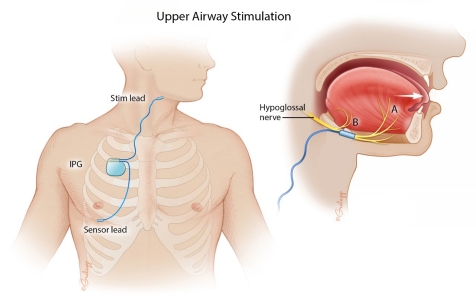
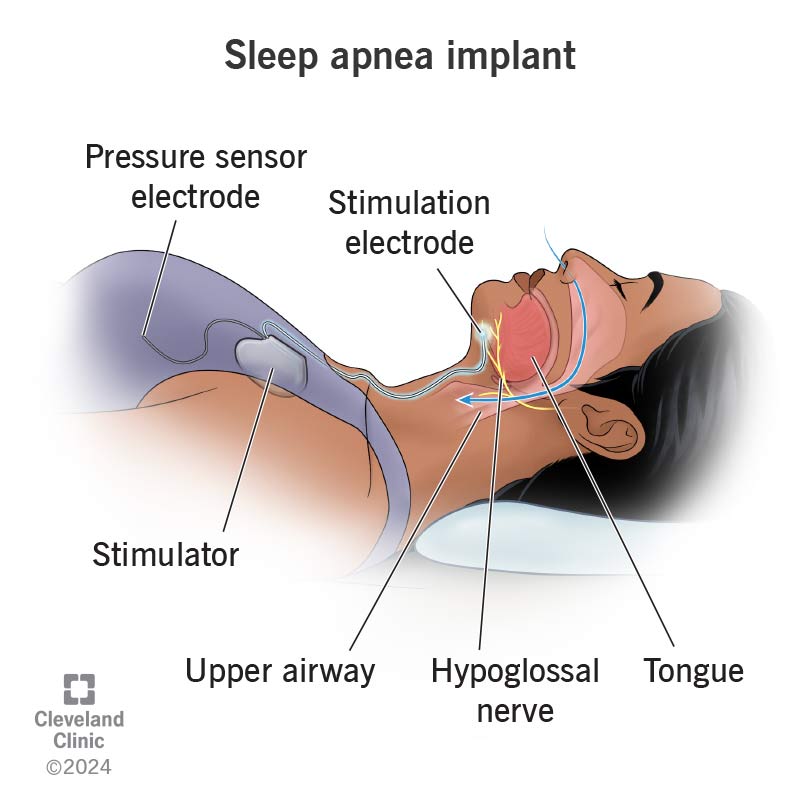
Unlike CPAP, which uses pressurized air to keep the airway open, Inspire works internally. A small device is surgically implanted under the skin in the upper chest and connected to a breathing sensor and a stimulation lead.
The system is designed to work automatically during sleep, responding to each breath.
How Inspire Works During Sleep
When you fall asleep, Inspire monitors your breathing pattern. As you inhale, the device delivers mild stimulation to the hypoglossal nerve, which controls tongue movement.
This stimulation causes the tongue to move slightly forward, helping keep the airway open and reducing obstruction. The timing is synchronized with natural breathing, and the stimulation level is adjusted during follow-up visits to balance comfort and effectiveness.
Users turn the device on before sleep using a handheld remote and turn it off when they wake up.
Who Inspire Is Designed For
Inspire is not a first-line treatment for sleep apnea and is not appropriate for everyone.
It is typically considered for adults who:
-
Have moderate to severe obstructive sleep apnea
-
Have tried CPAP and are unable to tolerate it despite reasonable efforts
-
Fall within specific body mass index (BMI) guidelines
-
Do not have certain airway anatomy patterns that would limit effectiveness
Before Inspire can be approved, patients usually undergo additional testing, which may include a sleep study and a specialized airway evaluation called drug-induced sleep endoscopy (DISE). These steps help determine whether Inspire is likely to work for a particular airway structure.
Potential Benefits of Inspire Therapy
For carefully selected patients, Inspire may offer several advantages:
-
No mask, hose, or airflow pressure
-
Quiet operation during sleep
-
Consistent therapy once settings are optimized
-
No need to manage nightly equipment
Some people find Inspire easier to tolerate long-term than CPAP, especially if mask discomfort, claustrophobia, or pressure intolerance were major obstacles.
Important Limitations and Trade-Offs
Inspire is a surgical therapy, which means it comes with considerations that CPAP does not.
Important factors include:
-
A surgical implantation procedure
-
Recovery time following surgery
-
Insurance approval and cost considerations
-
Ongoing follow-up visits for device adjustment
-
Battery replacement surgery every several years
Inspire also cannot be easily adjusted night-to-night the way CPAP settings can. While stimulation levels can be fine-tuned, the device itself is less flexible than CPAP therapy.
How Inspire Compares to CPAP
CPAP remains the most adjustable and widely effective treatment for obstructive sleep apnea, which is why it is usually recommended first.
Pressure settings, mask types, humidity, and comfort options can all be modified without surgery. For many people, resolving comfort issues makes CPAP both effective and tolerable.
Inspire is generally considered after CPAP comfort strategies have been fully explored. For some patients, it may offer a viable alternative when CPAP cannot be used consistently.
Is Inspire a Cure for Sleep Apnea?
Inspire does not cure sleep apnea. It is a long-term treatment designed to reduce airway collapse during sleep.
Results vary from person to person. Some individuals experience significant improvement, while others see partial benefit. Ongoing monitoring and follow-up care are still required.
When Inspire May Be Worth Discussing
Inspire may be worth discussing with a sleep specialist if:
-
CPAP has been tried and consistently failed
-
Sleep apnea symptoms remain significant
-
Comfort problems cannot be resolved with CPAP adjustments
-
Clinical testing suggests Inspire may be effective
A qualified sleep specialist can help determine whether Inspire is appropriate or whether additional CPAP modifications should be considered first.
Final Thoughts
CPAP alternatives exist because sleep apnea treatment is not one-size-fits-all. Inspire therapy may be a helpful option for a specific group of patients who cannot tolerate CPAP despite reasonable efforts.
For many others, improving CPAP comfort remains the safest and most effective approach. Understanding all available options — without pressure — helps people make informed decisions that fit their needs and long-term health.