What Is CPAP Therapy? (And Why It Helps)
CPAP (Continuous Positive Airway Pressure) therapy is the most common treatment for sleep apnea.
It works by delivering a gentle stream of air through a mask to keep your airway open so you can breathe normally through the night.
If you’re new to CPAP, the equipment, settings, and nightly routine can feel overwhelming at first — but the good news is that most people adjust quickly once they understand the basics.
This guide walks you through everything you need to know as a beginner.
The Main Parts of a CPAP Setup
Every CPAP machine has three main components:
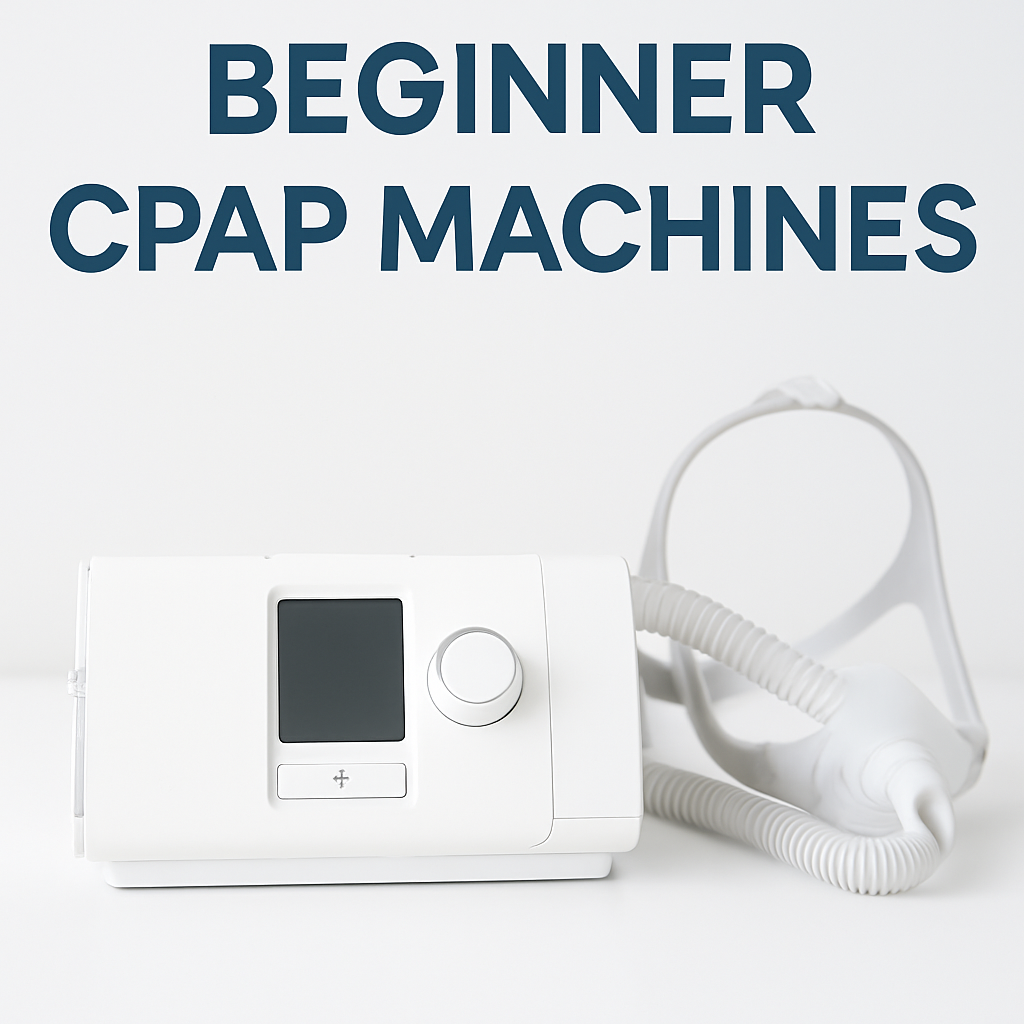
1. The CPAP Machine
This is the device that generates the airflow. Most modern units are small, quiet, and travel-friendly.
2. The CPAP Mask
Masks come in three primary types:
Nasal masks – For light to moderate mouth-breathers
Nasal pillow masks – Minimal contact, great for beginners
Full-face masks – Ideal for mouth-breathing or congestion
Choosing the right mask is the single most important factor in CPAP comfort.
3. The Hose (Tubing)
Delivers air from the machine to your mask. Heated tubing helps prevent condensation (“rainout”).
What to Expect During Your First Week
Your first few nights may feel strange. That’s completely normal!
Most beginners notice:
A sensation of “too much air”
Mask leaks
Dry mouth or nose
Mild pressure on the face
Difficulty falling asleep
These issues usually fade within 5–7 nights as your body adapts.
Tip: Wear your mask for 20–30 minutes before bed to get used to the airflow.
Key CPAP Features Beginners Should Understand
Ramp
Starts the air pressure lower and gradually increases it as you fall asleep.
Perfect for easing into therapy.
EPR / Pressure Relief
Reduces pressure as you exhale, making breathing feel more natural.
Humidity & Heat Levels
Humidification prevents:
Dry mouth
Dry nose
Congestion
Sore throat
Beginners almost always benefit from using humidification.
How to Choose the Right CPAP Mask as a Beginner
Mask fit is crucial for comfort and successful therapy.
✔ Choose a nasal pillow mask if you want:
Minimal contact
Quiet airflow
A light, comfortable feel
✔ Choose a nasal mask if you:
Move around a lot
Want a bit more stability
✔ Choose a full-face mask if you:
Breathe through your mouth
Have frequent congestion
Awake with dry mouth
Tip: If your mask leaks, it doesn’t always mean it’s the wrong mask — the fit may just need adjusting.
Common Beginner Problems (And Simple Fixes)
Dry Mouth or Nose
Increase humidification or use heated tubing.
Mask Leaks
Try adjusting the headgear or switching to a different cushion size.
Feeling Claustrophobic
Start with a nasal pillow mask or try “mask desensitization” (wearing it while awake).
Air Swallowing (Aerophagia)
Lower pressure settings or use a ramp feature.
Pressure Feels Too Strong
Enable EPR/pressure relief.
Cleaning Basics for Beginners
Proper cleaning helps reduce:
Mask smells
Irritation
Allergic reactions
Bacteria buildup
Daily (quick rinse):
Mask cushion
Water chamber
Weekly (won’t take long):
Hose
Full mask
Headgear
Use mild soap — never household cleaners.
Tips to Make CPAP More Comfortable
Use a CPAP pillow to reduce mask shifting
Try different mask sizes
Adjust humidity as seasons change
Use nasal gel or saline spray for dryness
Keep your machine lower than bed level to prevent condensation
Small adjustments make a huge difference in comfort.
When to Talk to Your Doctor or DME
Contact your provider if you experience:
Persistent discomfort
Aggravated claustrophobia
Severe leaks that don’t improve
Ongoing aerophagia
Unusual sinus issues
Your equipment provider can refit your mask or adjust settings.
Final Thoughts
Starting CPAP therapy is a big change — but once you get past the first week or two, most users feel:
More rested
More alert
Less irritable
Fewer morning headaches
Stick with it, make small adjustments, and reach out for help if you need it. CPAP is one of the most effective treatments for sleep apnea, and the benefits are worth it.