
Introduction
CPAP mask leaks are one of the most common — and most frustrating — problems people experience during CPAP therapy. You may hear air escaping, feel airflow on your face or eyes, or wake up with a dry mouth even though you’re using your machine consistently.
Thank you for reading this post, don't forget to subscribe!For many people, leaks quickly become discouraging. It can feel like no matter how much you adjust the mask, tighten the straps, or reposition the cushion, the problem never fully goes away.
The good news is that CPAP mask leaks are usually mechanical and fixable. In most cases, they are not a sign that CPAP isn’t working or that you’re doing something wrong. Leaks typically come down to fit, movement, pressure, or mask style — and small adjustments often make a big difference.
This guide explains why CPAP mask leaks happen, what makes them worse, and what usually helps reduce them without sacrificing comfort.
What a CPAP Mask Leak Actually Is
A CPAP mask works by creating a gentle seal against the face. That seal allows pressurized air to flow into the airway and keep it open during sleep. When that seal breaks, even briefly, air escapes instead of reaching the airway.
Not all leaks are the same. Some are minor and expected, while others interfere with therapy and sleep quality. A small amount of air escaping occasionally — especially with movement — is normal. Persistent or loud leaks, however, usually indicate a setup issue that can be addressed.
Leaks are not a failure of effort. They are a sign that something in the system needs adjustment.
Common Causes of CPAP Mask Leaks
Mask Fit Issues
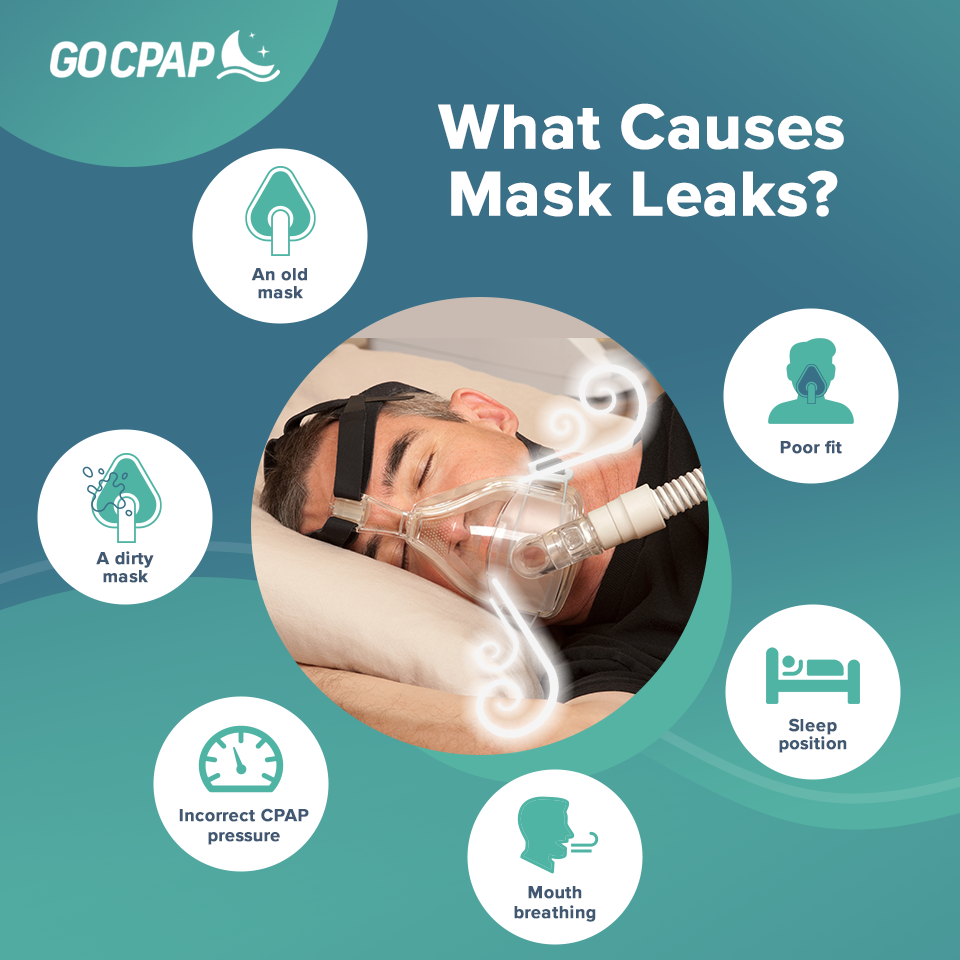
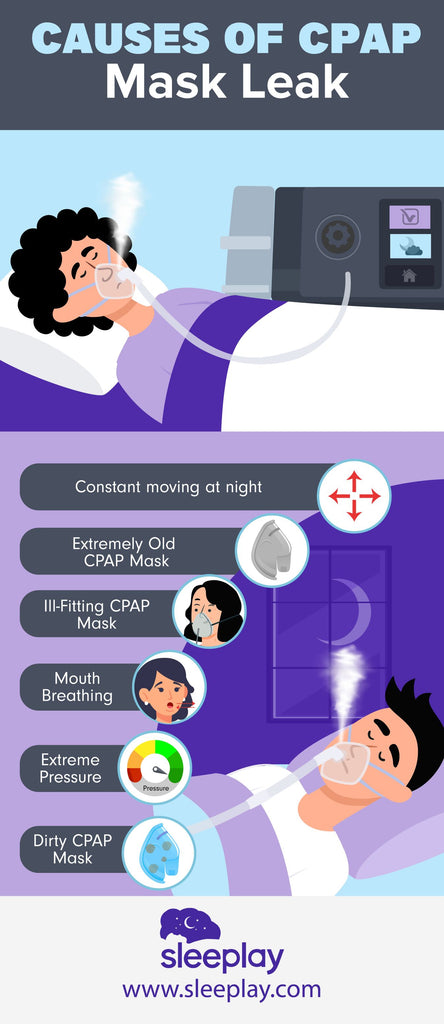
One of the most common causes of leaks is an improperly fitting mask. A mask that is too large may shift and lift away from the face. A mask that is too small may press unevenly against certain areas, allowing air to escape elsewhere.
Fit issues are especially noticeable around the nose bridge, cheeks, or corners of the mouth, depending on the mask style.
Over-Tightening the Mask
It’s natural to tighten mask straps when leaks occur, but overtightening often makes the problem worse. Excessive tension can distort the mask cushion, preventing it from sealing evenly.
CPAP masks are designed to seal with gentle contact, not force. When straps are pulled too tight, pressure points increase and the cushion loses its ability to adapt to facial movement.
Movement During Sleep
Side sleeping, rolling over, or frequent position changes can shift the mask during the night. As the face presses into a pillow or changes angle, the seal may loosen temporarily, allowing air to escape.
This type of leak is very common and does not mean the mask is wrong — it simply means adjustments may be needed to accommodate movement.
Mask Style Mismatch
Different mask styles seal in different ways. A nasal mask seals around the nose, while a full-face mask seals around both the nose and mouth. Nasal pillow masks seal at the nostrils.
If the mask style doesn’t match how you breathe or sleep, leaks are more likely to occur. For example, mouth breathing with a nasal mask often leads to leaks and dry mouth.
Air Pressure Changes
Higher pressure settings can magnify small fit issues. A mask that seals well at lower pressure may begin leaking as pressure increases during sleep.
Pressure changes don’t mean the mask is wrong, but they can make precise fitting more important.
Types of CPAP Mask Leaks
Leaks Around the Nose Bridge
These leaks often feel like air blowing toward the eyes and may cause dryness or irritation. They are common with masks that sit high on the nose or are overtightened.
Side Leaks
Air escaping from the sides of the mask usually indicates strap imbalance or movement during sleep. These leaks often happen when sleeping on one side.
Mouth Leaks
Mouth leaks occur when air escapes through the mouth instead of staying in the airway. They are common with nasal masks and can lead to dry mouth and reduced therapy effectiveness.
What Makes CPAP Mask Leaks Worse
Several factors can increase the likelihood of leaks.
Sleeping position plays a major role. Side and stomach sleeping increase pressure on the mask, making it easier for the seal to break. Facial hair can interfere with the cushion’s ability to maintain contact with the skin. Skin oils or residue on the cushion can also reduce sealing ability over time.
Weight changes or facial swelling may subtly alter how a mask fits, even if it previously worked well. Dry skin or irritation can make it harder for the cushion to maintain a consistent seal.
Fixes That Actually Help Reduce CPAP Mask Leaks
Adjust the Mask While Lying Down
Masks often fit differently when lying down than when sitting upright. Adjusting straps while in your usual sleeping position allows the cushion to seal correctly when facial muscles are relaxed.
Small adjustments can make a noticeable difference.
Aim for Snug, Not Tight
Straps should hold the mask securely without pressing deeply into the skin. If the cushion looks flattened or distorted, the mask is likely too tight.
Loosening the straps slightly often improves sealing and comfort at the same time.
Balance the Straps Evenly
Uneven strap tension can cause air to escape on one side of the mask. Adjusting straps symmetrically helps distribute pressure evenly and maintain a stable seal.
Keep the Cushion Clean
Oils from the skin can accumulate on the cushion and interfere with sealing. Regular, gentle cleaning helps the cushion maintain its grip and flexibility.
Consider Mask Style Changes
If leaks persist despite careful adjustment, switching mask styles may help. Some people find that a different design seals more naturally against their facial structure or sleeping habits.
Changing styles is common and does not mean CPAP is failing.
How Mask Leaks Affect Other CPAP Problems
Mask leaks often overlap with other CPAP issues. Air leaking toward the eyes can cause dryness or irritation. Mouth leaks commonly contribute to dry mouth. Leaks can also disrupt sleep by causing noise or frequent awakenings.
Addressing leaks often improves multiple problems at once.
👉 The CPAP Resource Hub explains how common CPAP issues connect and how to approach them step by step.
When Mask Leaks Mean Something Needs to Change
Occasional leaks are normal, especially with movement. However, persistent leaks that disrupt sleep, cause discomfort, or lead to avoidance of CPAP use signal that adjustments are needed.
This may involve refitting the mask, trying a different style, or discussing settings with a sleep provider. Mask leaks should not be something you simply tolerate.
Quick Summary
CPAP mask leaks are common and usually fixable. They are most often caused by fit issues, movement during sleep, or mask style mismatches — not user error.
Over-tightening rarely solves leaks and often makes them worse. Small adjustments, proper fitting, and choosing the right mask design typically lead to better comfort and more effective therapy.
With the right setup, CPAP masks can seal reliably without discomfort or constant adjustment.