⭐Snoring vs Sleep Apnea: Key Differences You Should Know
This version is clean, SEO-ready, and formatted for WordPress.
You can paste it directly into the Block Editor.
⭐ Snoring vs Sleep Apnea: What’s the Difference?
Snoring and sleep apnea often get grouped together — but they’re not the same thing.
Snoring is sound.
Sleep apnea is a breathing disorder that can seriously impact your health.
Understanding the difference helps you know when snoring is simply annoying… and when it’s a sign of something more serious.
⭐ What Is Snoring?
Snoring happens when air flows past relaxed tissues in the throat, causing them to vibrate and produce noise.
Snoring is usually:
Harmless
Occasional
Caused by congestion, sleeping position, or relaxed airway muscles
Common causes of simple snoring include:
Sleeping on your back
Allergies or nasal congestion
Being overly tired
Alcohol before bed
Narrow nasal passages
Snoring alone isn’t dangerous — but it can be a warning sign.
⭐ What Is Sleep Apnea?
Sleep apnea is a serious condition where breathing repeatedly stops during sleep.
These pauses can last 10–30 seconds (or longer) and may happen hundreds of times per night.
Symptoms include:
Loud snoring followed by silence
Gasping or choking during sleep
Excessive daytime sleepiness
Morning headaches
Poor concentration
Waking up unrefreshed
Health risks include:
High blood pressure
Heart disease
Stroke
Diabetes
Mood disorders
Memory problems
Sleep apnea is not just a nighttime issue — it affects your health 24/7.
⭐ Key Differences Between Snoring and Sleep Apnea
Here’s how they compare:
Feature Snoring Sleep Apnea
What happens? Airway vibrates, causing sound Airway fully or partially collapses
Breathing stops? No Yes (repeated episodes)
Health risks? Low High — serious long-term risks
Daytime symptoms? Usually none Sleepiness, fatigue, headaches
Treatment required? Often no Yes (CPAP, lifestyle, oral devices)
Snoring is a noise.
Sleep apnea is a breathing disorder.
⭐ When Snoring Is a Sign of Sleep Apnea
Snoring alone isn’t dangerous — but certain patterns suggest sleep apnea:
✔ Loud, chronic snoring
✔ Snoring with pauses or choking sounds
✔ Snoring that wakes you or your partner
✔ Snoring + daytime tiredness
✔ Snoring regardless of sleep position
✔ Snoring combined with morning headaches
If snoring happens with any of these signs, it’s important to talk to a doctor or get a sleep study.
⭐ Causes They Share
Snoring and sleep apnea have many overlapping causes:
Relaxed throat muscles
Narrow airways
Nasal congestion
Sleeping on your back
Weight gain
Alcohol at night
This is why snoring often appears alongside mild or undiagnosed sleep apnea.
⭐ How Sleep Apnea Is Diagnosed
A sleep study (in-lab or at home) measures:
Breathing pauses
Oxygen levels
Heart rate
Airflow
Snoring intensity
Your Apnea-Hypopnea Index (AHI) determines severity:
Mild: 5–14
Moderate: 15–29
Severe: 30+
Diagnosis is the first step toward effective treatment.
⭐ Treatment Options
For Snoring Only:
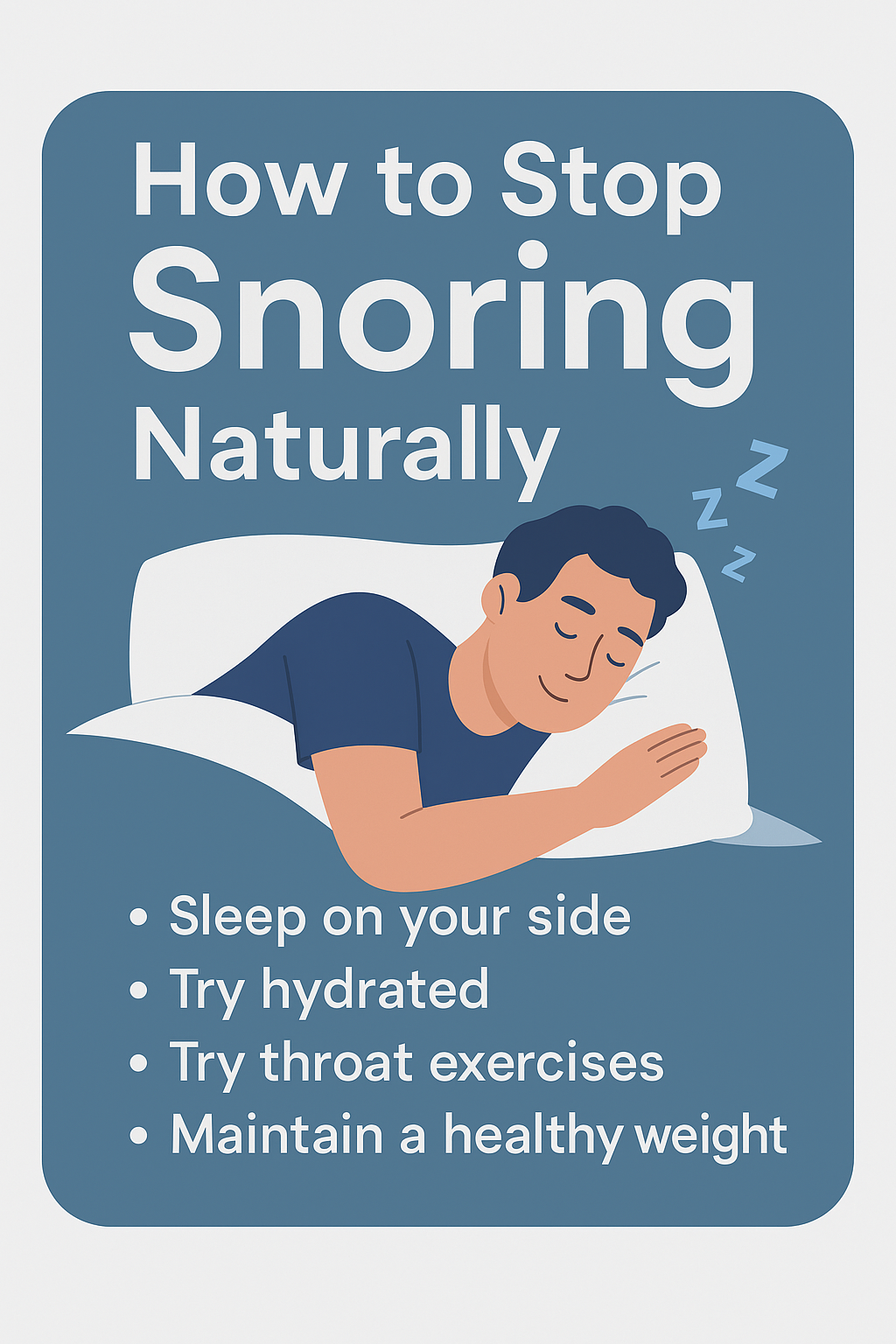
Side sleeping
Nasal strips
Humidifier
Weight management (if applicable)
Reducing alcohol before bed
Nasal sprays or rinses
For Sleep Apnea:
CPAP therapy (gold standard)
APAP or BiPAP
Oral appliances
Positional therapy
Lifestyle changes
Surgery (specific cases)
If someone has sleep apnea, snoring treatments alone won’t solve the problem.
⭐ Final Thoughts
Snoring is common — but sleep apnea is a serious medical condition that deserves attention.
If snoring comes with breathing pauses, choking sounds, or daytime tiredness, it may be more than just noise.
Getting evaluated can dramatically improve your sleep quality, energy levels, and long-term health.