CPAP Mask Discomfort: Why It Happens and How to Fix It

Introduction
Many people start CPAP therapy expecting it to feel uncomfortable for a night or two — and then suddenly become easy. When that doesn’t happen, mask discomfort can quickly become frustrating.
Thank you for reading this post, don't forget to subscribe!Pressure on the face, soreness around the nose, rubbing, or irritation can make it feel like CPAP is doing more harm than good. Some people even begin avoiding the mask altogether, not because CPAP isn’t helping their sleep apnea, but because wearing it feels unpleasant.
The good news is that CPAP mask discomfort is one of the most common and fixable problems people experience. In most cases, it doesn’t mean the machine is wrong or that CPAP won’t work. It usually means something about fit, style, or setup needs adjustment.
This guide explains why CPAP masks can feel uncomfortable, what tends to make discomfort worse, and which fixes actually help most people sleep more comfortably.
Why CPAP Masks Can Feel Uncomfortable
CPAP masks are designed to create a seal. That seal is what allows pressurized air to keep the airway open during sleep. However, creating a seal against the face means applying pressure to areas that may not be used to it.
Everyone’s facial structure is different. The shape of the nose bridge, cheekbones, jawline, and facial contours all influence how a mask sits. Even a well-designed mask can press against sensitive areas if the shape or size isn’t a good match.
Air pressure can also magnify small fit issues. A mask that feels fine while sitting upright may shift or press differently once you lie down, turn your head, or relax your facial muscles during sleep.
Finally, sleeping with equipment attached to the face simply feels unnatural at first. The combination of straps, cushions, and airflow can increase awareness and sensitivity, especially in the early weeks of therapy.
Common Causes of CPAP Mask Discomfort
Incorrect Mask Size or Style
One of the most common causes of discomfort is wearing a mask that doesn’t match your face or breathing style. CPAP masks come in different sizes and designs, including full-face masks, nasal masks, and nasal pillow styles.
A mask that is too large may shift and rub. A mask that is too small may press too firmly against the skin. Using a mask style that doesn’t match how you breathe — such as a nasal mask when mouth breathing occurs — can also increase pressure and irritation.
Over-Tightening the Mask
Many people tighten their mask straps too much in an effort to stop leaks. While this seems logical, overtightening often makes discomfort worse.
Excessive tension can create pressure points, soreness, and even increase leaks by distorting the cushion. CPAP masks are designed to seal with gentle contact, not force.
Strap Imbalance
Uneven strap tension is another common issue. When one side of the mask is tighter than the other, pressure becomes uneven across the face. This can lead to localized soreness, especially around the nose bridge or cheeks.
Strap imbalance can happen gradually as straps stretch or shift over time.
Movement During Sleep
Side sleeping, tossing, and turning can all affect how a mask sits. As the head presses into a pillow or changes position, the mask may shift, rub, or lose its seal briefly.
Repeated movement throughout the night can lead to irritation even if the mask feels comfortable initially.
What Makes CPAP Mask Discomfort Worse
Several factors can intensify mask discomfort over time.
Side sleeping can increase pressure on one side of the face and push the mask out of alignment. Facial hair may interfere with the mask seal and increase friction. Skin sensitivity, dryness, or irritation can make even light contact feel uncomfortable.
Changes in weight or facial structure may also affect how a mask fits over time. A mask that once felt fine may begin causing pressure as facial contours change.
Poor sleep habits, such as irregular sleep schedules or high stress, can increase sensitivity and awareness of discomfort, making mask issues feel more severe.
Fixes That Actually Help Most People
Adjusting Mask Fit Correctly
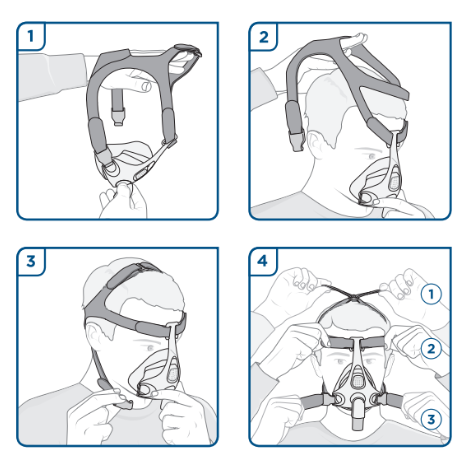
A properly fitted mask should feel secure but not tight. Straps should hold the mask in place without digging into the skin.
It often helps to adjust the mask while lying down in your usual sleeping position. Facial muscles relax differently when lying flat, and small adjustments made in this position can significantly improve comfort.
Choosing the Right Mask Style
Switching mask styles is one of the most effective ways to resolve discomfort. A different design may distribute pressure more evenly or reduce contact with sensitive areas.
Some people find relief by switching from a full-face mask to a nasal style, while others benefit from the opposite. Comfort improves most when the mask matches both facial structure and breathing habits.
Managing Leaks Without Overtightening
Leaks don’t always mean the mask is wrong. Minor leaks can often be reduced through small adjustments rather than tightening straps.
Ensuring the cushion is clean, properly seated, and aligned with the face often improves sealing without increasing pressure.
Reducing Skin Irritation
Skin irritation can contribute significantly to discomfort. Regular mask cleaning helps prevent residue buildup that can irritate the skin.
Allowing the skin to recover during the day, managing dryness, and ensuring the cushion material is compatible with your skin can all improve comfort over time.
When Mask Discomfort Means Something Needs to Change
Occasional discomfort during the adjustment period is common. However, persistent pain, skin breakdown, pressure sores, or avoiding CPAP because of discomfort are signs that changes are needed.
This may involve re-fitting the mask, trying a different style, or discussing adjustments with a sleep provider or equipment specialist. Mask discomfort should not be something you simply “push through.”
How Mask Discomfort Connects to Other CPAP Problems
Mask discomfort often overlaps with other CPAP issues such as leaks, dry mouth, dry eyes, or frequent awakenings. These problems are interconnected, and improving one can sometimes resolve others.
If multiple issues are happening at once, it can help to step back and address them methodically.
👉 The CPAP Resource Hub explains common CPAP problems and how they relate to one another, offering a structured way to troubleshoot comfort issues.
Quick Summary
CPAP mask discomfort is common, especially early in therapy, and is usually fixable. In most cases, discomfort is caused by fit, mask style, or movement rather than the CPAP machine itself.
Small adjustments, proper fitting, and choosing the right mask design can make a significant difference. CPAP should support better sleep — not make it harder. With the right setup, most people are able to find a comfortable solution.