Thank you for reading this post, don't forget to subscribe!
NightlyCalm.com is a participant in the Amazon Services LLC Associates Program, an affiliate advertising program designed to provide a means for sites to earn fees by linking to Amazon.com. As an Amazon Associate, I earn from qualifying purchases.
Feeling like you’re not getting enough air during CPAP therapy is extremely common — especially for beginners. Some users describe it as “air hunger,” “air starvation,” or “hard to inhale/exhale.”
The good news? This problem is almost always caused by something simple and can be fixed quickly.
This guide explains the most common reasons CPAP users feel they’re not getting enough air — and how to resolve each one.
Why CPAP Can Feel Like You’re Not Getting Enough Air
This sensation usually comes from:
- Pressure set too low for your needs
- Exhaling feels difficult without pressure relief
- Ramp mode starting too low
- Nasal congestion or mouth breathing
- Mask leaks causing unstable airflow
- Incorrect mask type or cushion size
Let’s break down each cause and how to fix it.
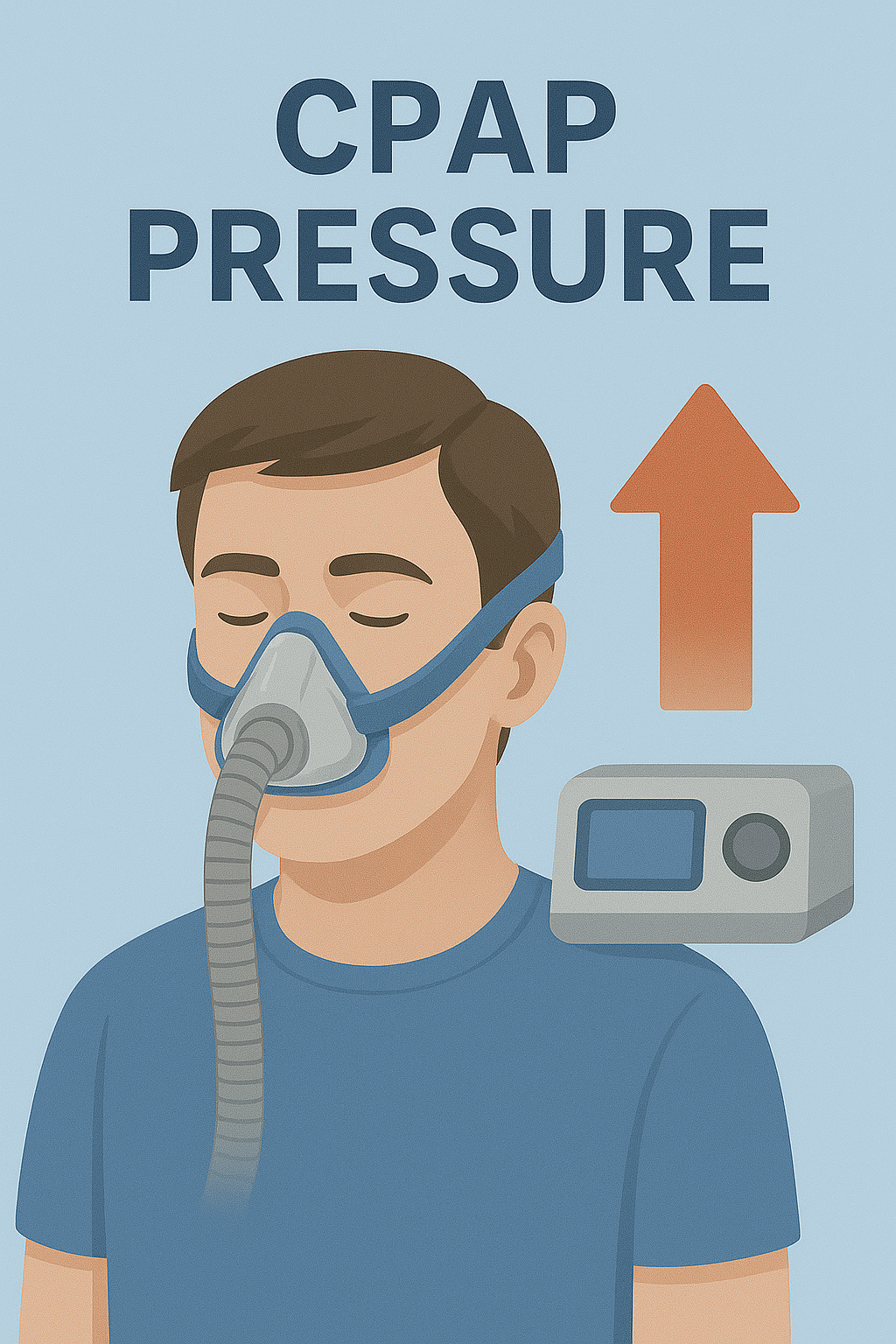
1. Your Starting Pressure Is Too Low
If your machine begins at a very low pressure (e.g., 4 cmH₂O), it can feel like you’re not getting any air at all — even though therapy is working.
Fix: Increase the starting pressure or lower your ramp time.
Most users feel more comfortable starting between 6–8 cmH₂O.
Related: CPAP Pressure Too High or Too Low
2. Turn On EPR (Expiratory Pressure Relief)
If exhaling feels difficult, it can create a sensation of air hunger.
Fix: Enable EPR at 1–3
Higher numbers = easier to exhale.
This instantly reduces breathing resistance and makes airflow feel natural.
3. Ramp Mode Starting Too Low
Ramp mode is designed for comfort, but if it starts too low, you may feel suffocated for the first 5–20 minutes.
Fix:
- Shorten ramp time
- Increase starting pressure
- Turn off ramp completely if it’s making things worse
4. Nasal Congestion Reducing Airflow
If your nose is clogged, CPAP airflow feels restricted — even if the pressure is correct.
Fixes:
- Increase humidity 1–2 levels
- Use saline spray before bed
- Try a nasal gel to relieve dryness
If congestion is severe, a full-face mask may be more comfortable.
5. Mask Leaks Causing Unstable Pressure
If the mask leaks, your CPAP machine ramps up and down trying to compensate, which may feel like the airflow is inconsistent.
Fix: Reseat the cushion, clean the silicone, or replace worn parts.
Related: How to Stop CPAP Mask Leaks
6. Wrong Mask Type or Size
If a mask is too small, too large, or not suited to your breathing style, airflow may feel restricted.
CPAP Stomach Bloating (aerophagia)
Fix: Consider switching styles:
- Nasal pillow masks: lightest, easiest to breathe with
- Nasal mask: more stable but still natural airflow
- Full face mask: best for mouth breathers
7. Anxiety or First-Time CPAP Sensations
CPAP can feel unnatural at first. Some beginners instinctively breathe too fast or too shallow when adjusting.
Fix: Try slow, steady breathing:
Inhale for 4 seconds → exhale for 6 seconds.
Starting therapy while awake (watching TV or reading) can help your brain adjust.
8. Check for Hose Blockages or Filter Issues
Dusty filters, kinked tubing, or water buildup can restrict airflow.
Fix:
- Replace machine filters every 2–4 weeks
- Ensure the hose isn’t bent or crushed
- Empty any water from the tubing
Quick Summary: How to Fix “Not Getting Enough Air”
- Increase starting pressure or adjust ramp mode
- Turn on EPR for easier exhaling
- Fix nasal congestion with humidity or sprays
- Fix mask leaks and reseat the cushion
- Try a different mask style if airflow feels restricted
- Check hose and filter for blockages
- Use slow breathing techniques to relax
Final Thoughts
Feeling like you’re not getting enough air on CPAP is uncomfortable but almost always fixable. With the right pressure settings, a well-sealed mask, and proper airflow setup, most users experience quick relief and much better sleep.
Explore more CPAP comfort guides: